|
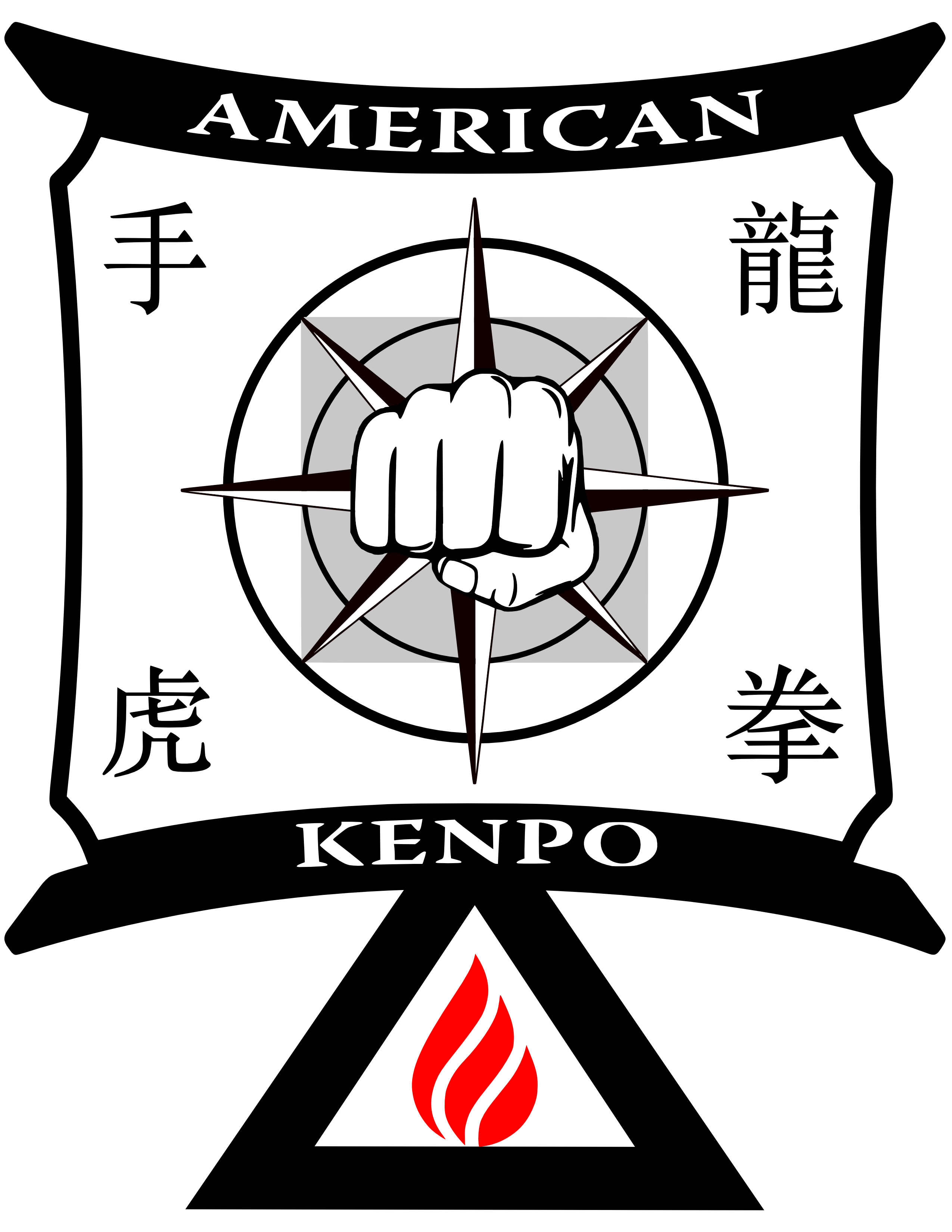
This crest was created by a diverse set of Kenpoist for the express purpose of providing the Kenpo community with a crest that was representative of our system, our history, and our lineage through Mr. Edmund K. Parker. But, provide it in a free and open way, without the fear of royalties or copyright infringement. The purpose of this document is to describe many of the ideas, concepts, and thoughts that went into its creation, so that each person who wishes to support the crest and its ideals can have a good understanding of its design.
Crest Shape
The crest’s shape can be broken down into two (2) distinct sections: The top and the base.

|
Top of the crest
This portion of the crest represents circular motion; with all lines being curved.
Also, the design pays homage to the first commercially owned martial arts school in the United States; Mr. Parker’s Pasadena school.
|

|
Base of the crest
This portion of the crest represents linear motion; with all lines being straight.
If forms a solid foundation on which everything resides. It also represents rule #1 in American Kenpo – establish a base.
|
Crest Elements
Each element of the crest was specifically chosen for it’s connection to American Kenpo history / lineage.

|
Flame
The flame represents the light of unity and friendship of all martial artists.
The flame is broken into 3 tiers, representing the numerous trinary elements within American Kenpo and martial arts as a whole (e.g. stages of motion, stages of learning, stages of proficiency, three pillars of self, etc.).
|

|
Kanji Writing
The Kanji represents the Chinese lineage of American Kenpo.
The 4 characters represent the major descriptive elements of Kenpo from the Chinese perspective:
The law of the fist and empty hand – empty hand over fist
The spirit of the tiger and the dragon – dragon (spiritual) over tiger (physical)
|

|
Fist
The fist represents the physical elements of American Kenpo and is surrounded by mind and spiritual elements – meaning physical is controlled by the mind and spirit.
Also, this element pays homage to the first patch used to represent Kenpo in its American infancy.
|
|
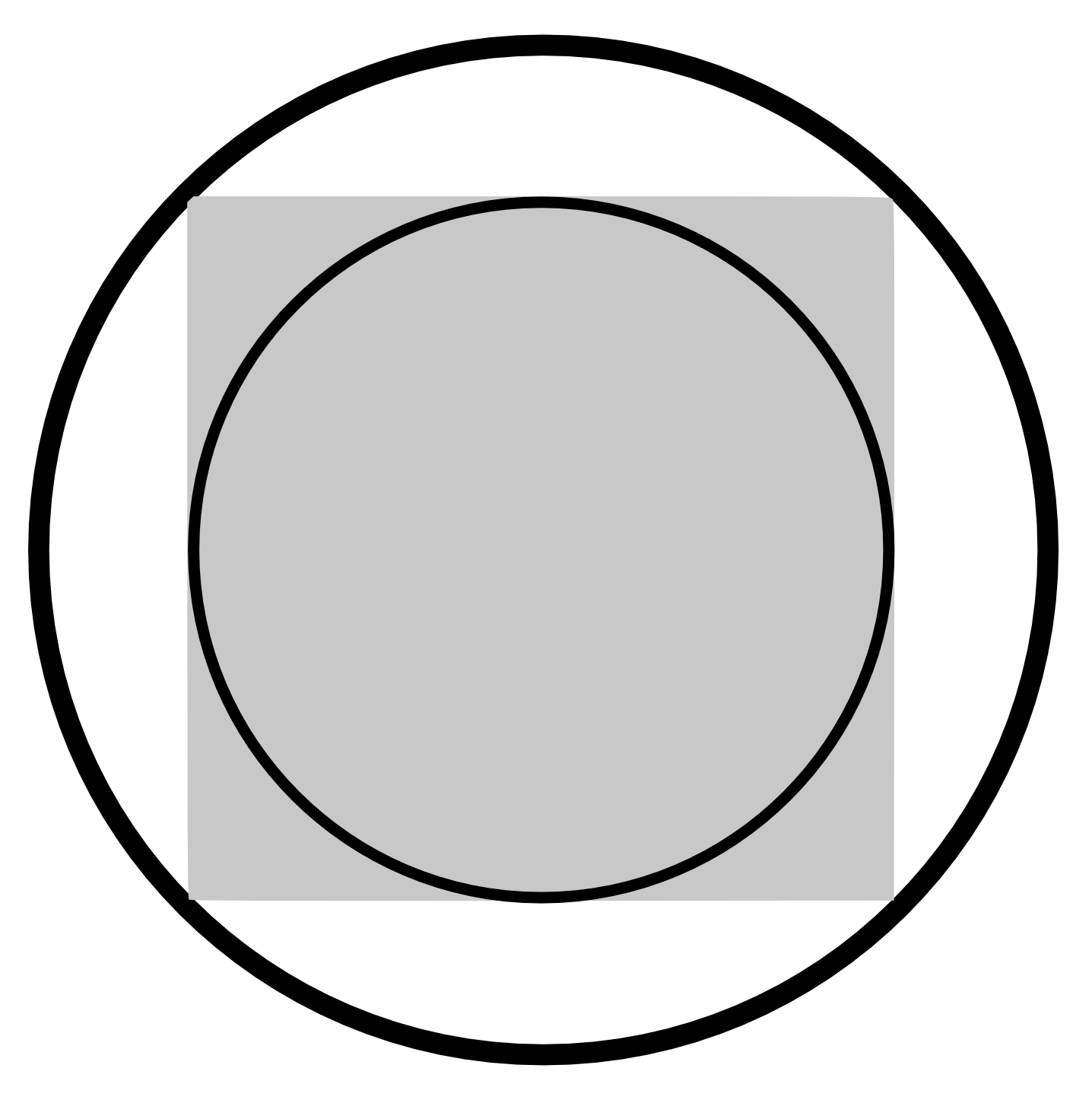
Square in Circle / Circle in Square
These elements represent the principles, theories, rules and concepts that compose the American Kenpo system by highlighting an important concept of American Kenpo.
Also, the square color (grey) symbolizes grey matter of the brain (i.e. mind).
|

|
Compass Rose / Dharma Wheel
This element represents 8 major lines of Motion, Balance, Defense, and Attack; the spiritual elements of American Kenpo; and the Indian lineage of all martial arts.
Furthermore, the element exposes the concept of opposite / reverse; the figure 8 on vertical, horizontal and diagonal planes; and proper spiritual goals of a martial artist.
It is the major foundation element of the crest, highlighting its overall importance.
|
Crest Colors
Each color in the crest has specific meaning:

|
White foundation / Black Border
The color white as a foundation represents the duty of all American Kenpoists to protect the uninitiated (the white belt). Most of the crest is white representing the majority of humanity.
The color black represents the initial goal of the martial artist – to become a skilled practitioner, i.e. a black belt. It is the second most prominent color; showing that most never obtain this goal.
|

|
Gray
The color gray represents the mind i.e. gray matter of the brain.
It is in the shape of a square to remind the Kenpoist to always ‘think outside the box’.
|
|
Red
The color red represents mastery of American Kenpo.
It is the least represented color on the patch. This is to illustrate that very few individuals ever obtain the rank of master.
|
Other Symbolism
There is a large number of other symbolic meanings within the crest. Only few examples are represented here. It is left up to the reader to further examine the crest to find other meanings within it.
|
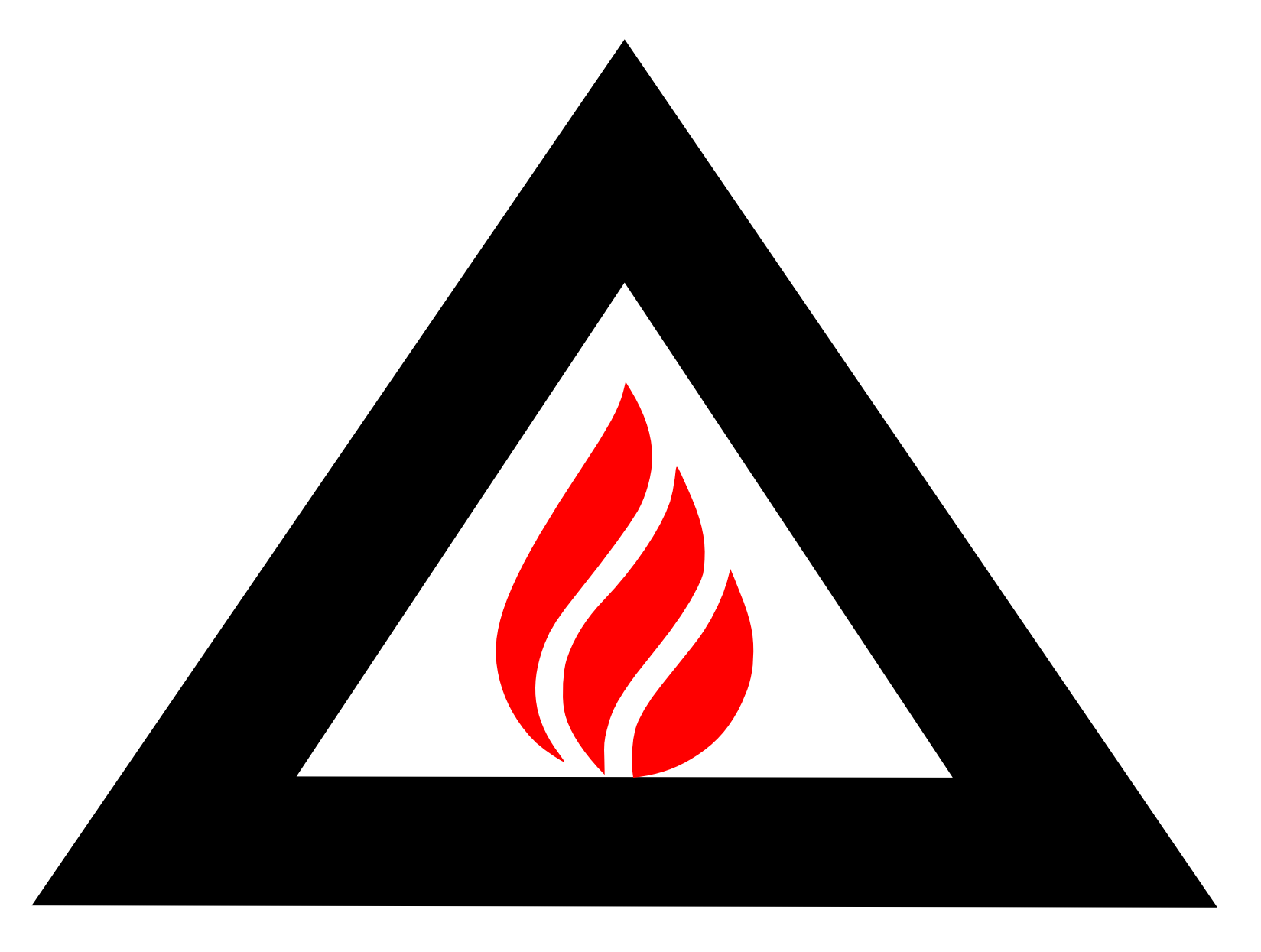
Flame in Triangle
The flame within the triangle illustrates the 3 major colors of rank. The flame rests within the white background to remind the master from which they came. The flame touches the bottom of the triangle (the origin), but never reaches the top (full mastery).
|
|
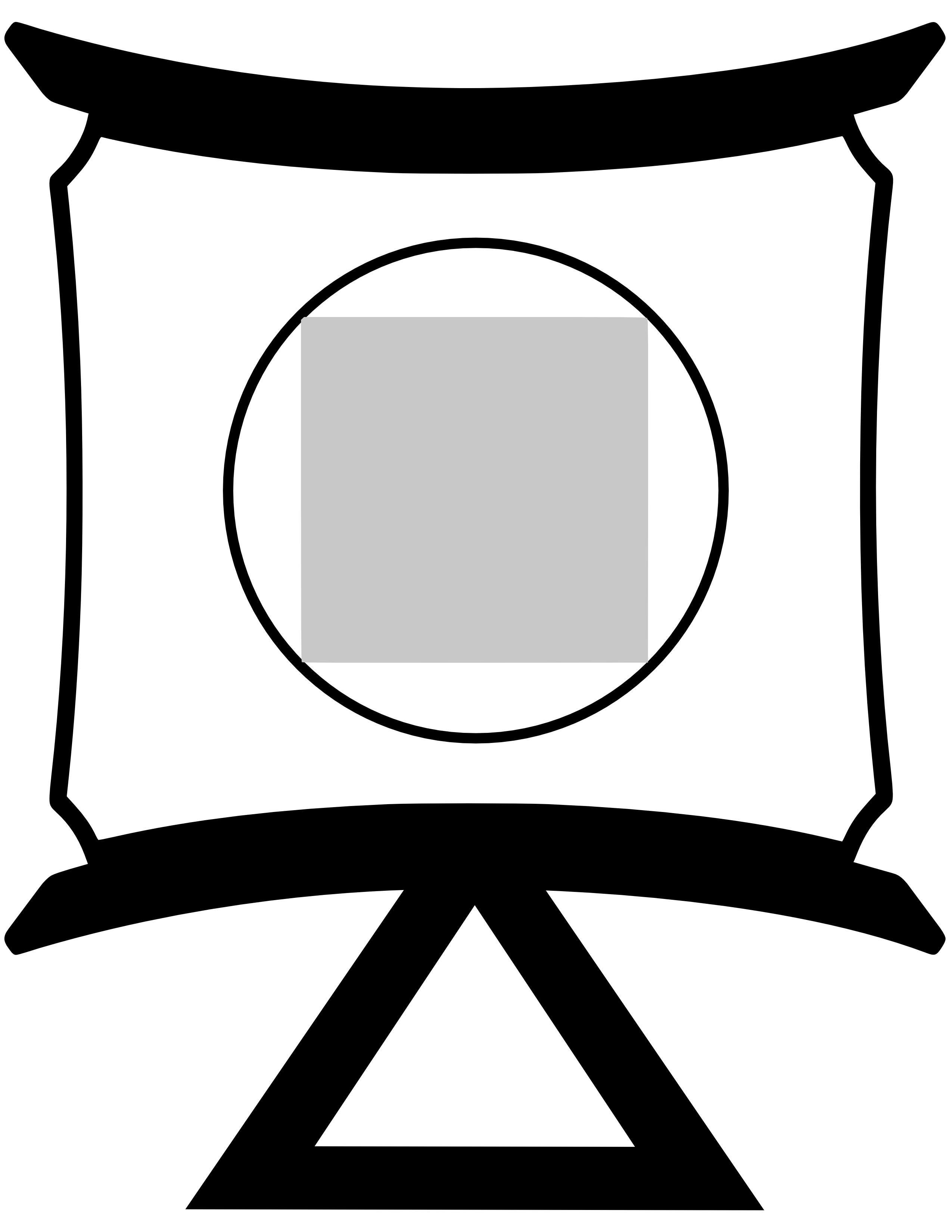
Circle, Square, Triangle
The 3 primary figures of American Kenpo are some of the fundamental building blocks of the crest, just as they are for American Kenpo.
|
|
-, +, x
The 3 primary symbols of American Kenpo are the primary elements that compose the compass rose / dharma wheel.
Also hidden within the compass rose / dharma wheel is the figure 8 – representing complex and advanced combinations of the primary figures.
|
|